house-title

What is House Music?

House music, or simply house, was created by DJs and producers in Chicago.

House is a genre of electronic dance music characterized by a repetitive four-on-the-floor beat and a typical tempo of 115–130 beats per minute.

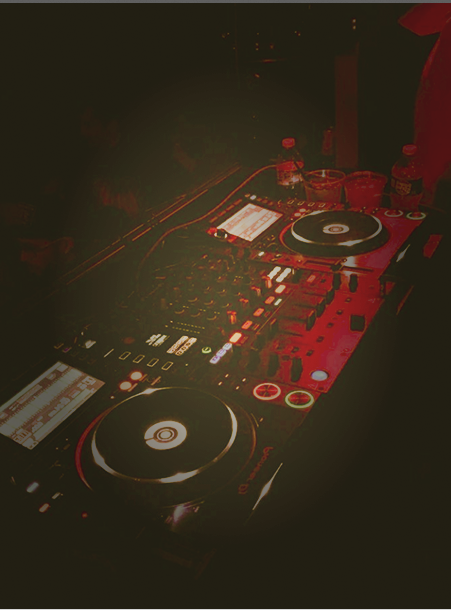
DJ

How it sounds

The genre is characterized by repetitive 4/4 rhythms including bass drums, off-beat hi-hats, snare drums, claps, and/or snaps at a tempo of between 120 and 130 beats per minute (bpm).

House beats often include open hi-hats on the offbeat (in between the kick drums) and claps or snares on every second and fourth beat. Add to that a deep bassline, a synthesizer-generated riff and the occasional soulful or funk-inspired vocal and you've got yourself a quintessential house record.

Where it Began?

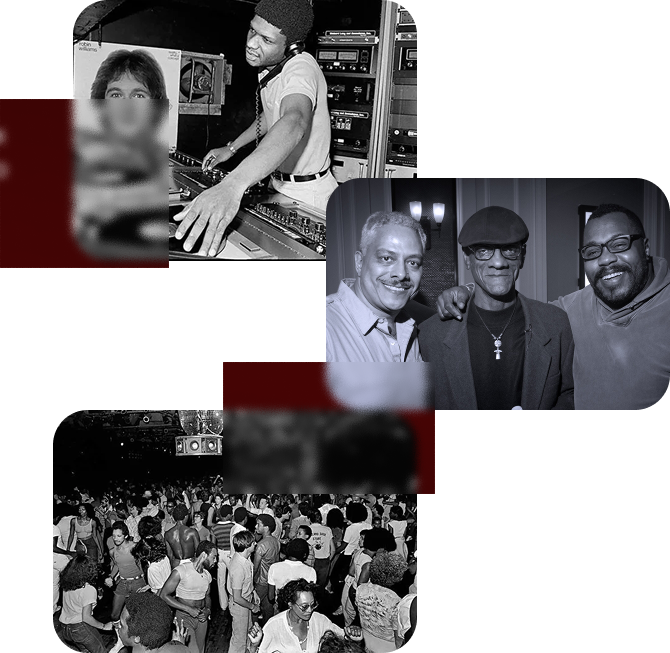
The name "house music" originated from a Chicago club called the Warehouse that was open from 1977-1982. Frankie Knuckles was the resident DJ of the club and he perfected the trend of splicing together different records when he found that the records he had were not long enough to satisfy his audience of dancers.

After the Warehouse closed in 1983, eventually Larry Levan went on to open a new club. The Powerhouse, later to be called The Power Plant, apparently was renamed, because Music Box with Ron Hardy as the resident DJ.

Vintage DJ

Culture and Dance

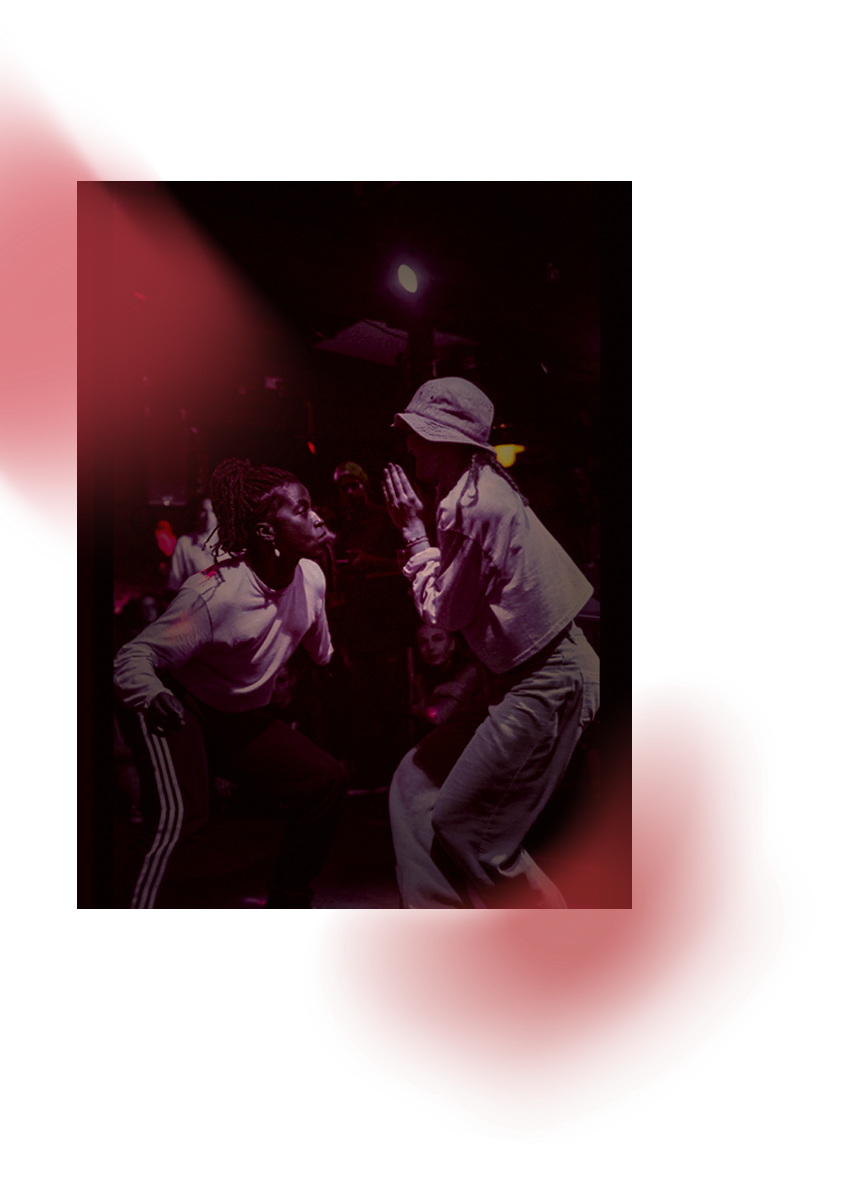
dance

Early house lyrics contained positive, uplifting messages, but spoke especially to African Americans, Latinos, and the gay subculture. The house music dance scene was one of the most integrated and progressive spaces in the 1980s. Minority groups were able to dance together in a positive environment.

At least three styles of dancing are associated with early house music: jacking, footwork and lofting; these styles include a variety of techniques and sub-styles. One of the primary elements in house dancing is "the jack," or "jacking" — a style created in the early days of Chicago house that left its trace in numerous record titles.

How It Spread

In Detroit during the early and mid-1980s, a new kind of music began to emerge around Juan Atkins, Derrick May and Kevin Saunderson, known as the Belleville Three, who fused the futuristic sounds into a signature Detroit sound that was a main influence for the later techno genre. Their music included elements of Chicago house, although the term "house music" played a less important role in Detroit than in Chicago, and the term "techno" was established.

With house music already massive on the 1980s dance scene, it eventually penetrated the UK singles chart. London DJ "Evil" Eddie Richards spun at dance parties as resident at the Clink Street club in London, eventually house music penetrated the UK singles chart. Albums featuring a style or labels came from Ibiza at the time, mixing house music with a more commercial Balearic mix of house was discernable.

House was also being developed by DJs and record producers in the booming dance club scene in Ibiza. Notably when DJ Alfredo, the father of Balearic house, began his residency at Amnesia in 1983. While no house artists or labels came from Ibiza at the time, mixing house music with a more Italo disco influence was discernible.